

Built for Elevation
On Ralph Ellison, Visibility, and the Courage to Rise

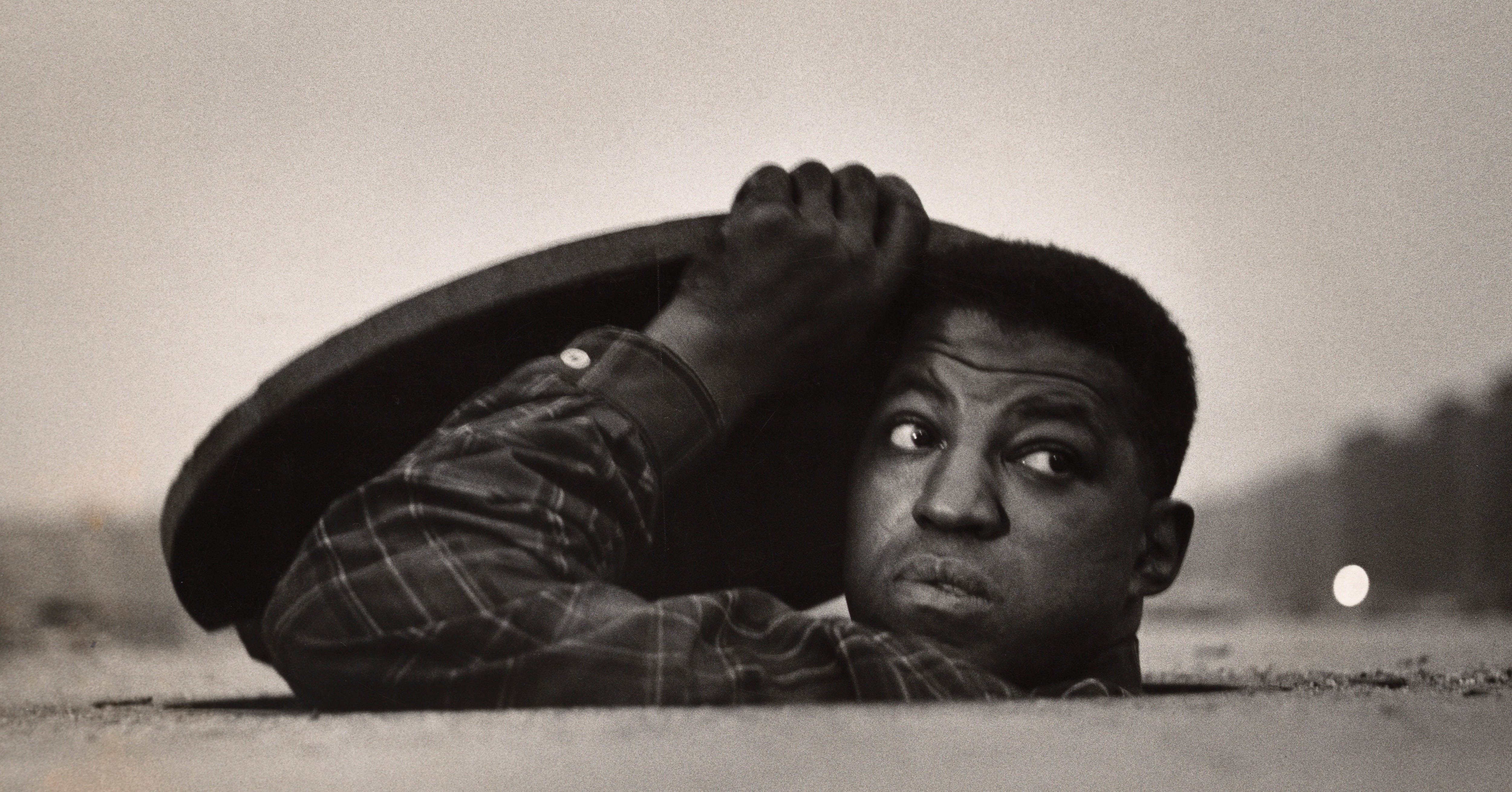
Ralph Ellison wrote,
“I am invisible, understand, simply because people refuse to see me.”
But there is a deeper insight embedded within that quote that Ellison knew and that took me years to understand.
Sometimes we make ourselves invisible.
We choose the basement. We choose the valley. We choose the boat. Not because people refuse to see us, but because being seen requires something we’re not sure we’re ready to give.
It requires us to step out of what’s familiar, to climb when we could stay comfortable, to risk the fall.
In Invisible Man, (one of my all-time favorite books) Ellison’s narrator descends into a basement filled with 1,369 light bulbs, trying to illuminate his own invisibility. He goes underground to see clearly. But the story doesn’t end there. The illumination isn’t the destination.
It’s preparation for what comes next: the rising.
What do I mean by the rising?
What if the very thing keeping you stuck isn’t the world refusing to see you, but you refusing to be seen?
What if the safety you’re clinging to is the exact thing preventing the miracle you’re waiting for?
The Comfort of Invisibility
There’s a particular kind of safety in staying small.
In the valley, you’re protected from the wind. In the boat, you don’t have to test whether the water will hold you up. In the basement, no one expects you to shine too bright or speak too loud or take up too much space.
I’ve lived there before, in the comfortable obscurity of almost.
Almost ready, almost brave, almost willing to be seen. We tell ourselves we’re being strategic, that we’re waiting for the right moment, the right credentials, the right level of confidence before we step into the light.
We call it wisdom when it’s really just fear in disguise.
Miracles don’t happen in the boat. They happen when we step into discomfort, when we leave what’s familiar and dare to trust that something greater waits on the other side of fear.
Ellison understood this deeply. His narrator spends the entire novel being told who he is, what he should be, and how he should move through the world.
He wears masks. He performs. He makes himself invisible to survive.
And all of it nearly destroys him. The breakthrough doesn’t come from staying hidden. It comes from the terrifying decision to be seen.
Growth Lives in the Unknown
In life, we often avoid the climb because we’re afraid of the fall.
The risk, the exposure, the pain of being visible and possibly being rejected. The vulnerability of showing our work before it’s perfect, sharing our voice before we’re certain it matters, stepping into spaces where we might not belong.
But I’m starting to believe that the very places I resist are often the places I’m being called to go.
Growth doesn’t live in the valley.
Transformation doesn’t meet us in our comfort zones. The work that changes us, the work that might change something beyond us, requires elevation. It requires us to climb even when the path isn’t clear, to write even when we’re not sure anyone’s listening, to speak even when our voice shakes, to create even when the outcome is uncertain.
Ellison wrote about the complexity of being Black in America, refusing to simplify or sanitize the experience for a White audience’s comfort.
He could have written safer stories. He could have stayed invisible, trading his truth as a Black man for acceptance during Jim Crow. He chose visibility instead. He chose the climb.
And it cost him. The criticism was brutal. The expectations were suffocating. The pressure to represent, to explain, to perform a version of Blackness that made others comfortable, all of it tried to pull him back down.
But he kept rising because he understood something essential. You can’t write what matters from the safety of the boat. You can’t create transformation from down in the valley.
You have to be willing to ascend.
The Work That Requires Visibility
And elevation demands that you be seen—not perfectly, not without fear, but fully.
It demands that you stop shrinking just to feel safe, that you stop performing invisibility because visibility feels too vulnerable, that you stop settling in the valley because the climb feels too steep.
For those of us who write, who create, who do work meant to shift something in the world, invisibility is a luxury we simply cannot afford.
Our silence has consequences. Our hiding has costs. Every day we stay small is a day we withhold what we were built to offer. Every week we choose the boat over the water is a week we delay whatever miracle might be waiting on the other side of our fear.
Every season we spend in the valley is a season we surrender to the voice that says we’re not ready, not worthy, not built for heights.
But that voice is lying.
Ellison also wrote:
“The end is in the beginning and lies far ahead.”
The thing you’re avoiding, the work that feels too big, too exposed, too risky—that’s probably exactly where you need to go.
The elevation you’re resisting is likely the elevation you were built for. This isn’t about recklessness. It’s not about climbing just to prove you can.
It’s about recognizing that staying small serves no one. Not you, not the people who need your work, not the world that’s waiting for what only you can offer.
The climb is hard. The visibility is terrifying. The risk is real.
But so is the cost of staying hidden.
The Invitation to Rise
This season, I keep hearing the invitation to rise.
To stop settling in the valley, to stop choosing comfort over calling, to stop making myself invisible because being seen feels too dangerous for the people around me.
I wasn’t built to stay small. Neither were you.
We were built for elevation, for the climb, for the kind of visibility that comes from doing work that matters, even when it requires us to step outside of what’s safe, even when its threatening to those who benefit from your fear.
It takes courage to leave the boat, to step onto water that might not hold you, to climb toward something you can’t yet see clearly.
It takes faith to believe that growth lives in the unknown, that transformation meets us where comfort ends, that the very places we resist are often the places we’re being called to go.
It takes endurance to keep rising when the climb gets steep, when the criticism gets loud, when the fear threatens to pull you back down to the valley.
You were not made for the basement.
You were not built for the boat. You were not designed to stay hidden in the valley, waiting for permission to rise.
So climb. Even when you’re afraid of the fall, even when the path isn’t clear, even when you’re not sure you’re ready.
Write from the heights. Speak from the mountaintop. Create from the place of elevation you’ve been avoiding.
The world doesn’t need another voice from the valley.
It needs yours from the summit.
Rise. Not because you’re certain, not because you’re fearless.
Not because the climb is easy, but because you were built for it.
In solidarity,

P.S. As always, thank you for reading this edition of Freedom Papers. If you found this piece meaningful, share it with a friend. Let our stories of resilience, justice, and love continue to inspire others, as we all work toward a better, more inclusive future. And write. Write, day and night, my friend. We are running out of time.
Whew! As always, by the time I am halfway through one of your posts, I have plenty to ponder: challenge from many angles.
“It demands that you stop shrinking just to feel safe, that you stop performing invisibility because visibility feels too vulnerable, that you stop settling in the valley because the climb feels too steep”. 🫶🏽🙌🏾💥
This piece came at the right time-quietly, like wheels touching down through low clouds. Grateful for the work you placed in my soul.