

Go Back for Them
On Harriet Tubman, the Underground Railroad, and the Call to Bring Others With You

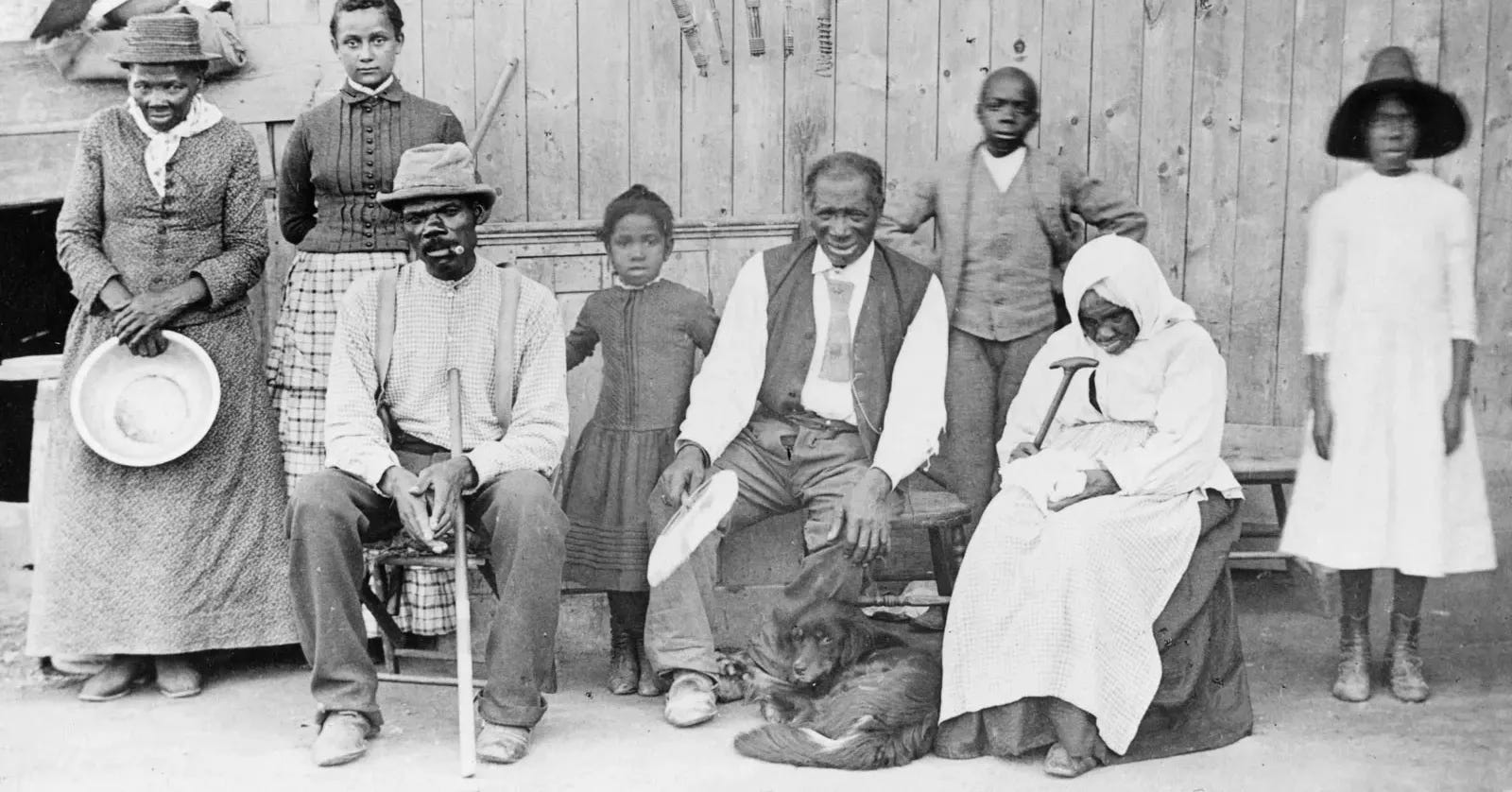
Harriet Tubman said,
“I never ran my train off the track, and I never lost a passenger.”
I want to tell you about someone I know.
He’s a few years behind me on this life journey. Same calling, same questions, same specific kind of exhaustion that comes from doing work that matters in a world that doesn’t always make space for it.
When I look at where he is right now, I recognize the bumps in the road that are coming for him. The uncertainty about whether the work is worth it. The loneliness of a season that feels like winter when you were promised spring. That quiet doubt that maybe the people who told you to play it safe were right after all.
I recognize it because I was there.
Not long ago—before the mirror, before the shaking, before I learned to wait without hovering, to show up without performing, to speak when silence would have been easier, to begin before I felt ready. Before I learned to cross the bridge even when I could already see what it would cost.
Before all of that, I was exactly where he is now.
I recognize it because he is me.
And I see others like him too. People moving through the same terrain, hitting the same walls, asking the same questions in different words. And I’ve been sitting with a question this whole series has been circling without quite saying directly:
Now that I know the way, do I go back?
The River
Harriet Tubman was born into slavery in Maryland around 1822. In 1849, at about twenty-seven years old, she escaped north on her own. She traveled at night, followed the stars, and moved through a network of safe houses and strangers willing to risk everything for someone they had never met.
Eventually she made it. She crossed the river. She was free.
And then she went back.
Thirteen times over the next decade, Tubman returned to the South to lead others out. She brought out her parents, her siblings, and dozens of people who had decided to trust a rumor, a name, a promise that a conductor was coming.
She moved in winter, when the nights were longest. She carried a gun—not to use against slave catchers, but to use against anyone who got close to freedom and decided to turn back.
She could not afford hesitation halfway across.
And she never lost a passenger.
There’s something here that is not only about escape.
It’s the return.
Going back into the place that once held you. Going back after you’ve already tasted freedom. Going back knowing the risk is still real.
What kind of freedom makes that possible?
Who’s Behind You
Here’s what I believe about becoming.
It was never only for you.
Every piece of this series has been building something interior. A self that can look honestly, survive the shaking, wait without anxiety, speak without rehearsing every possible outcome, begin before conditions feel right, and keep going when the feeling isn’t there.
All of that is real. All of that matters.
But interior freedom that stays interior is not the end of it. It is preparation.
Tubman’s freedom wasn’t complete when she crossed the river. It wasn’t complete because she now knew the river could be crossed, or because she had proof that the dark didn’t always win. It was complete in another sense—she now knew the way.
And after knowing, she couldn’t pretend she didn’t.
Think about where you are right now.
You know things you didn’t know a year ago. You’ve crossed things you weren’t sure you could cross. You’ve survived seasons you thought would undo you, and found out on the other side that what broke was not you, but what you were carrying that could not stay.
You have a map now.
Not a perfect one. Not a complete one. But a real one, drawn from your own walking.
And someone behind you needs it.
The Conductor
Tubman did not return because she had finished healing.
She went back while the wounds were still open. While the system that had enslaved her was still operating at full force. While every trip carried the possibility of capture or death.
She did not wait until she felt ready.
She went because people were still in the dark and she knew the way out.
That’s the model.
Not the model of the fully resolved person descending to help others. Not the myth of arrival. Not perfection turned outward.
She went back still in the middle of her own becoming. Still carrying risk. Still navigating a world that could take her life.
She went back as a conductor, not a savior.
She didn’t carry people out like objects. She led them. She showed them what she had already walked and trusted them to walk it themselves.
The call is not to fix people.
It’s not to manage someone else’s journey or hold their weight for them.
The call is to go back.
Show up in the life of someone who is where you were.
Tell them what you know. Tell them the river is crossable. Tell them the dark is not final. Tell them the fear is not the full story.
There is someone in your life right now standing at the edge of something they are not sure they can cross.
Maybe they’ve told you. Maybe you just recognize it in the way they talk about their work, or their calling, or the way they describe breakdown when what’s happening is actually becoming.
Maybe you remember that version of yourself.
You don’t need perfect answers to speak into that moment. You just need enough distance to know you made it through.
Tubman’s promise was not ease. It was presence. She would not lose them on the way. She would not disappear when it got hard. She would not abandon the crossing halfway through.
Make that promise in your own way.
Tell them the river is crossable. Tell them where to put their feet. Tell them they are not falling apart. Tell them the shaking might be rearrangement, not ruin. Tell them the dream in the folder is not dead. Tell them to turn the light on.
And then stay with them while they move.
This is what the journey was always for.
Not arrival.
Not the version of you that finally looks settled and finished.
The return.
You have done the work.
But you now know the way.
Someone is still at the bank.
Go back for them.
In solidarity,

P.S. As always, thank you for reading this edition of Freedom Papers. If you found this piece meaningful, share it with a friend. Let our stories of resilience, justice, and love continue to inspire others, as we all work toward a better, more inclusive future. And write. Write, day and night, my friend. We are running out of time.
Etienne you write with the conviction of one who has crossed their own river. Your writing is so solid and so uplifting. Thank you. Amongst it all, I particularly appreciated:
"Tubman’s promise was not ease. It was presence. She would not lose them on the way. She would not disappear when it got hard. She would not abandon the crossing halfway through"
Stunning piece. Thank you.