

Tending the Garden
On Baldwin, Resistance, and the Daily Practice of Showing Up

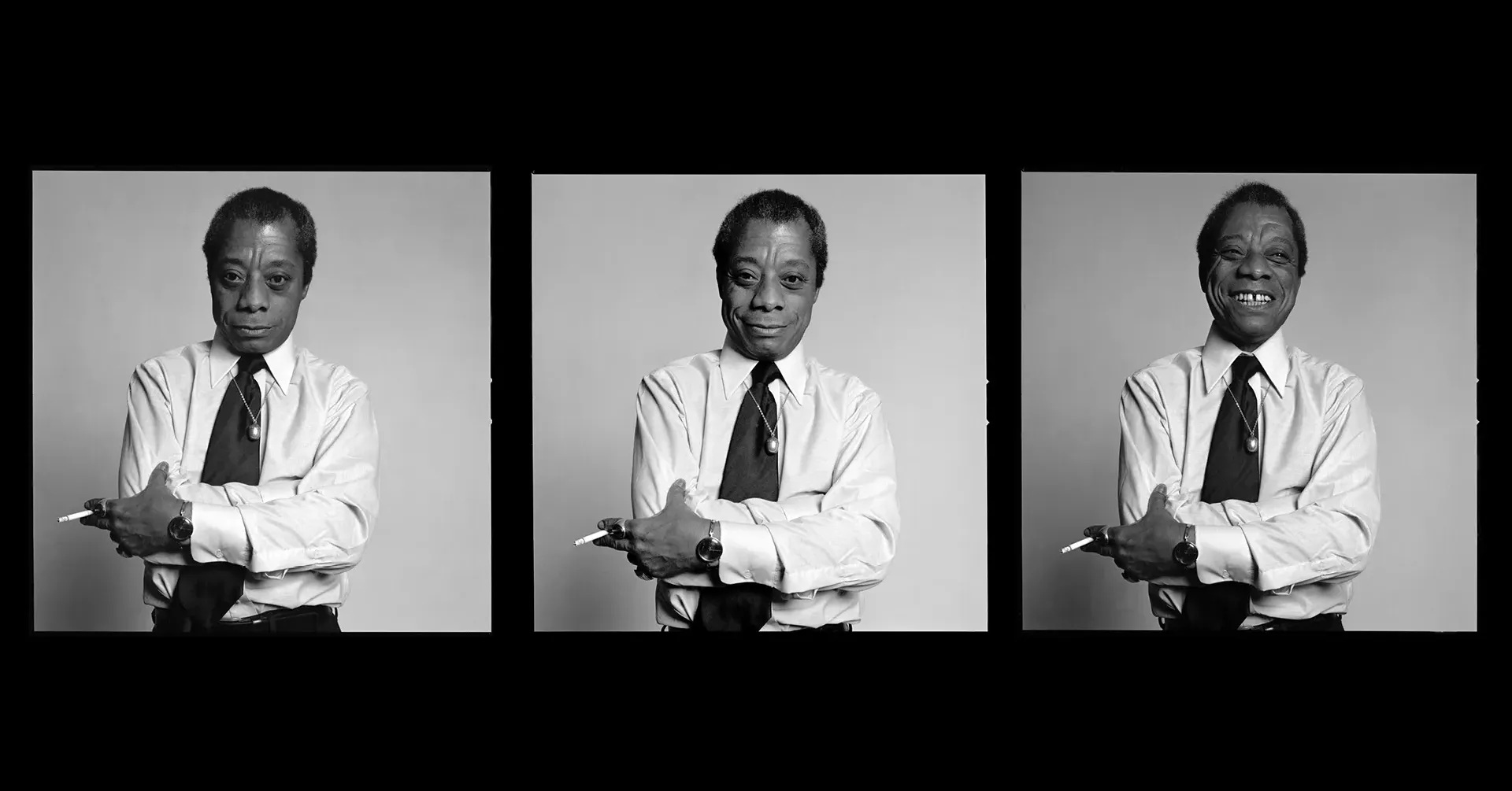
James Baldwin once wrote,
“Talent is insignificant. I know a lot of talented ruins. Beyond talent lie all the usual words: discipline, love, luck, but most of all, endurance.”
Ruins.
Not failures. Not has-beens. Ruins.
Something that once stood but slowly crumbled from neglect.
Baldwin knew too many writers who waited. Waited for inspiration. Waited for the right conditions. Waited for certainty.
They had everything they needed except the willingness to show up every day and write, especially on the hard days, especially when it felt impossible to get words onto the page.
He was talking about the difference between having a gift and doing the work. Between potential and practice. Between writers who become footnotes and those who endure.
Those whose work eventually stands the test of time.
Becoming a writer has far less to do with inherent skill than most people believe.
But it has everything to do with tending your garden.
The Garden Doesn’t Care About Your Mood
Our minds are like soil.
They are seeded with promising ideas, bitter truths, and ugly distortions. Alongside our goals, dreams, and visions of success lie old fears. Misplaced beliefs. Survival habits that once served us but no longer work in this season.
I’m learning to become a gardener of that soil.
Pruning beliefs that no longer bear fruit. Uprooting traumas that were never meant to stay. Digging deep, even when it’s uncomfortable.
And here’s what I’m learning:
A garden doesn’t care about your mood.
It doesn’t care if you’re afraid or insecure. It needs tending whether you feel like it or not. Whether you’re inspired or exhausted. Whether conditions are perfect or everything feels wrong.
Even more, weeds don’t wait for you to be ready.
They grow fastest when you’re not watching, when you decide now is not the time.
That inner voice that tells you to wait, to hold off until inspiration strikes, is a weed too. One that looks like wisdom until you pull it up and see it for what it really is.
Resistance in a Better Outfit
There’s a force that always shows up when we’re called to create.
It keeps us organizing desks instead of writing the next draft. It tells us we need more research, one more book, one more credential before we’re ready. It whispers that we should wait until we have something truly original to say.
In The War of Art, Steven Pressfield called it the Resistance.
I call it fear in disguise.
For those of us doing justice work, creative work, or work that might actually shift something in this world, resistance can be hard to recognize.
It shows up as burnout that makes pressing forward feel impossible. It shows up as administrative tasks that suddenly feel urgent. It shows up as the quiet, persistent belief that our voice doesn’t matter, that someone else already said it better, that the world doesn’t need what we have to offer.
Sometimes resistance even shows up as righteousness.
That creeping belief that we shouldn’t create or share until the conditions are perfect. Until we’ve been completely healed. Until we’re absolutely certain that our work will land exactly as intended with the audiences we choose.
It sounds like wisdom. It sounds like self-care. It sounds like integrity.
But it’s all resistance in disguise.
Baldwin didn’t wait for perfect conditions. He wrote The Fire Next Time while facing death threats. He wrote Giovanni’s Room knowing it might end his career. He kept writing when the world told him his words were too dangerous, too truthful, too much.
He understood something simple and unforgiving—the work doesn’t wait for you to feel ready.
The garden needs tending now.
Not when the weather improves.
What Endurance Actually Looks Like
This kind of consistency isn’t glamorous.
It’s not inspiration striking at midnight while you type a masterpiece before the muse disappears.
It’s showing up on a Tuesday morning before dawn with a cup of coffee, staring at a blinking cursor, and writing one mediocre sentence. Then another. Then another.
It’s planting seeds that won’t bloom for months—maybe even years. It’s watering ground that shows no visible sign of growth, that dries out by midday and makes your effort feel in vain.
It’s faith.
Not the faith that says everything will work out.
Not the faith that promises recognition or impact.
But that much quieter faith that says this work matters enough to do it badly. This work matters enough to do it tired. This work matters enough to do it without knowing whether anyone will ever see it.
Baldwin didn’t become Baldwin because he was more talented than everyone else.
He became Baldwin because he endured. Because he showed up. Because he did the work even when—especially when—it felt like it didn’t matter.
“Beyond talent lie all the usual words,” he wrote. “Discipline, love, luck, but most of all, endurance.”
Endurance is the part we don’t celebrate.
We celebrate breakthroughs, viral essays, books that land at exactly the right moment. But we rarely talk about the thousands of hours that came before. The ink-stained pages no one ever see.
The drafts balled up, thrown away in the waste basket. The folders overflowing with work that never left the hard drive.
The practice that looked like nothing—until suddenly it looked like everything.
The Cost of Waiting
Make no mistake, the cost of not tending the garden is greater than we think.
When we wait for the right time, the right mood, the right level of clarity, we’re not just delaying our own work. We’re delaying work that might matter to someone else.
We’re letting resistance win.
We’re allowing inherited fears—fears that were never even ours to begin with—to dictate what gets made and what stays buried in the cemetery of our mind.
For those of us whose voices have been historically marginalized or silenced, the cost is even steeper. Every day we don’t write is a day that someone else’s story dominates the narrative. Every week we reorganize files instead of creating is a week the world goes without the seed only you were meant to plant.
Every month we wait to feel ready is a month surrendered to the same systems that once told us we weren’t qualified to speak at all.
This isn’t about hustle or productivity culture.
It’s about recognizing that silence has consequences. That waiting for permission—whether its from ourselves or from anyone else—is its own kind of violence.
As Baldwin put it, “Not everything that is faced can be changed, but nothing can be changed until it is faced.”
So let’s face the reality: You’re probably not going to feel ready. The conditions probably won’t be perfect. The words will feel clumsy at first, unequal to the grand vision in your head. You’ll look at what you wrote and think it isn’t good enough.
And you’ll be right.
The first draft never is. That first small attempt rarely matches the big vision. Work that endures accumulates slowly. It doesn’t announce itself with applause. It just quietly becomes something.
Seed by seed. Sentence by sentence. Day by day.
That’s how gardens grow.
That’s how bodies of work are built.
That’s how resistance is defeated.
Not with one grand gesture. Not with perfect conditions. Not with guarantees.
With endurance.
With showing up. With the quiet, unglamorous, absolutely essential work of tending to what’s been entrusted to you.
Begin Now
It takes intention to notice which thoughts help you grow and which ones are slowly choking that growth. It takes faith to choose action over comfort, consistency over inspiration, presence over perfection. It takes courage to admit you don’t have all the answers, and to write anyway.
Here’s the truth: every garden needs tending.
And your garden needs more than discipline or insight. It needs your hands in the soil. It needs your presence. It needs your willingness to show up—even on days you’d rather be doing something else.
This is the season for pulling the weeds of limiting belief and planting seeds without knowing what they’ll become. For trusting that slow, faithful work will accumulate over time into something that matters.
The world doesn’t need a perfect draft.
It needs you to stop waiting and start working.
If you take anything from this essay, let it be this: tend to your garden.
Not when you feel like it. Not when conditions are ideal. But today. And tomorrow. And the day after that.
That’s how ruins are prevented.
That’s how gardens grow.
That’s how the work gets done.
In solidarity,

P.S. As always, thank you for reading this edition of Freedom Papers. If you found this piece meaningful, share it with a friend. Let our stories of resilience, justice, and love continue to inspire others, as we all work toward a better, more inclusive future. And write. Write, day and night, my friend. We are running out of time.
Etienne, this comes to me at a crucial moment. Thank you from the bottom of my heart.
I needed this today. Thank you.