

The Shake Before the Harvest
On Zora Neale Hurston, Seasons of Shedding, and What Remains

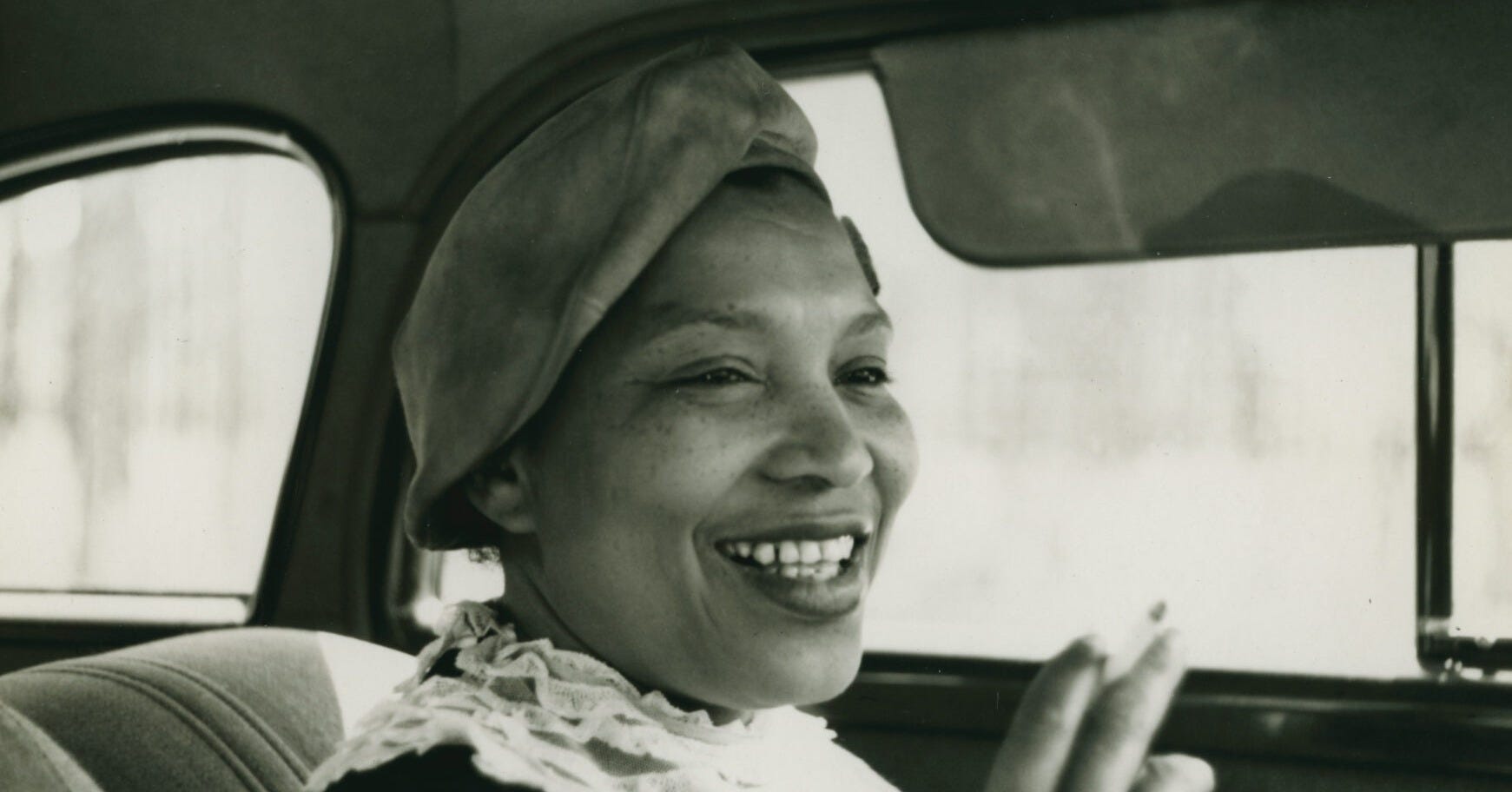
Zora Neale Hurston wrote,
“There are years that ask questions and years that answer.”
She understood something about seasons that most of us resist: not every year is meant for harvest. Some years are meant for the shake, some are meant for the shedding, and some are meant for the clearing away of what was never meant to stay.
A few months ago, I went through a stretch where everything felt unsettled.
Projects I thought were secure started shifting. Plans I’d mapped out months in advance suddenly felt uncertain. Even relationships that usually grounded me felt different, like the season had changed without warning and summer had shifted to winter.
At first, I resisted it.
I kept trying to hold things in place, trying to force stability where there was none. And the harder I tried to keep everything still, the more it all seemed to shake.
One morning on a run, I passed a row of trees I’ve seen a thousand times. The wind was strong that day, strong enough to bend branches, strong enough to scatter leaves. And watching that, something inside of me softened.
Sometimes God sends the storm not to break you, but to shake you—not to punish you, but to reveal what’s rooted deep and what never was.
The Brittle Branches
I thought about all the things I’d been trying to hold onto—the old expectations, the habits I’d outgrown, the versions of myself I’d long since surpassed.
They were the brittle branches, false attachments, things that needed to fall.
In Their Eyes Were Watching God, Hurston tells the story of Janie Crawford, a woman who spends decades shedding versions of herself that others tried to impose on her. Her grandmother’s dream of security. Her first husband’s need for labor. Her second husband’s demand for silence and performance.
Each relationship, each season, required her to let something die so something truer could live. The shaking wasn’t punishment.
It was liberation disguised as loss.
Hurston understood that growth requires release. That trees don’t apologize for dropping their leaves. That the same wind that bends you is the wind that clears space for new life to bloom.
We love the fruit of a good season, the evidence of growth, the sweetness of harvest.
But every tree that bears good fruit has to shed something first. Letting go isn’t a failure, it’s a requirement.
The shedding is preparation.
What’s Rooted and What’s Not
The storm reveals what’s actually rooted.
When the wind comes, the shallow roots get exposed. The things you thought were foundational turn out to be surface-level. The relationships, the habits, the beliefs you assumed were permanent start to shake loose, and you realize they were never as deep as you thought.
Hurston spent her life navigating seasons of shaking.
She was celebrated, then forgotten. She had money, then lost it. She wrote groundbreaking work that was dismissed in her lifetime, only to be rediscovered decades after her death.
She could have spent her energy trying to hold onto what was leaving—the recognition, the security, the versions of success she’d been promised.
Instead, she kept writing, kept creating, kept trusting that what was real would remain and what wasn’t would fall away.
Janie’s journey in Their Eyes Were Watching God mirrors this.
She doesn’t become herself by addition but by subtraction. By letting go of the grandmother’s voice, the town’s expectations, the second husband’s control.
By the end, she’s not more—she’s less, and that less is truer. The shaking stripped away everything that wasn’t actually her, and what remained was rooted deep enough to withstand any storm.
Standing Firm While Letting Go
There’s a paradox in this kind of faith.
You have to stand firm and let go at the same time. You have to be rooted enough to withstand the wind while being flexible enough to release what the wind is taking.
The trees know this.
They don’t fight the fall. They don’t grip the dying leaves. They let the season do its work.
Now, when the shaking comes, I remind myself not to grip what’s already leaving. I remind myself to stand firm in what’s real, to stay rooted in faith, to trust the God who tends the soil of my life far better than I do.
The old expectations can fall. The habits I’ve outgrown can drop.
The versions of myself I’ve long since surpassed can scatter like leaves across the pavement.
Hurston wrote about the pear tree in Janie’s yard, how it taught her about seasons and cycles, about blooming and dying back, about the way life moves in rhythms we don’t control.
“She saw a dust-bearing bee sink into the sanctum of a bloom; the thousand sister-calyxes arch to meet the love embrace and the ecstatic shiver of the tree from root to tiniest branch creaming in every blossom and frothing with delight. So this was a marriage!”
The tree didn’t force the bloom. It didn’t hold onto the blossom past its season.
It trusted the cycle, the shake, the fall, the dormancy, and the return. It understood that what looks like death is often preparation for new life.
What Remains Is What’s Real
Let what’s dead fall away.
The projects that are shifting, the plans that are changing, the relationships that feel different—maybe they’re not falling apart.
Maybe they’re being rearranged by a God who sees what you can’t, who knows what needs to stay and what needs to go.
Hurston never saw the full harvest of her work.
She died in poverty, largely forgotten, her books out of print. But what remained—her voice, her vision, her refusal to perform a version of Blackness that made white audiences comfortable—was rooted deep.
Deep enough to survive decades of neglect.
Deep enough to bloom again when the season changed.
The same wind that bends you is the wind that clears space. The same storm that shakes you is revealing what’s rooted and what’s not. The same season that feels like loss is preparing you for a harvest you can’t yet see.
So stand firm in what’s real.
Stay rooted in faith. Trust the God who sends the wind not to break you but to shake loose everything that was never meant to stay. Let the brittle branches fall. Let the false attachments scatter.
Let the old versions of yourself drop like leaves across the pavement.
Because what remains—the truth God is growing within you, steady and strong—that’s waiting for its own harvest season to arrive.
And when it does, you’ll be grateful for everything the wind took away.
In solidarity,

P.S. As always, thank you for reading this edition of Freedom Papers. If you found this piece meaningful, share it with a friend. Let our stories of resilience, justice, and love continue to inspire others, as we all work toward a better, more inclusive future. And write. Write, day and night, my friend. We are running out of time.
Thank you for this beautiful piece! I am in this season now. “Liberation disguised as loss.” Breathtaking.